Projects, proposals and contracts in one system
INSTA's sales and project information sat across spreadsheets, emails and hand-built documents. Stamina put Pipedrive at the centre and gave the team a document library that fills itself from project data.
Proposals built from project data, not from scratch
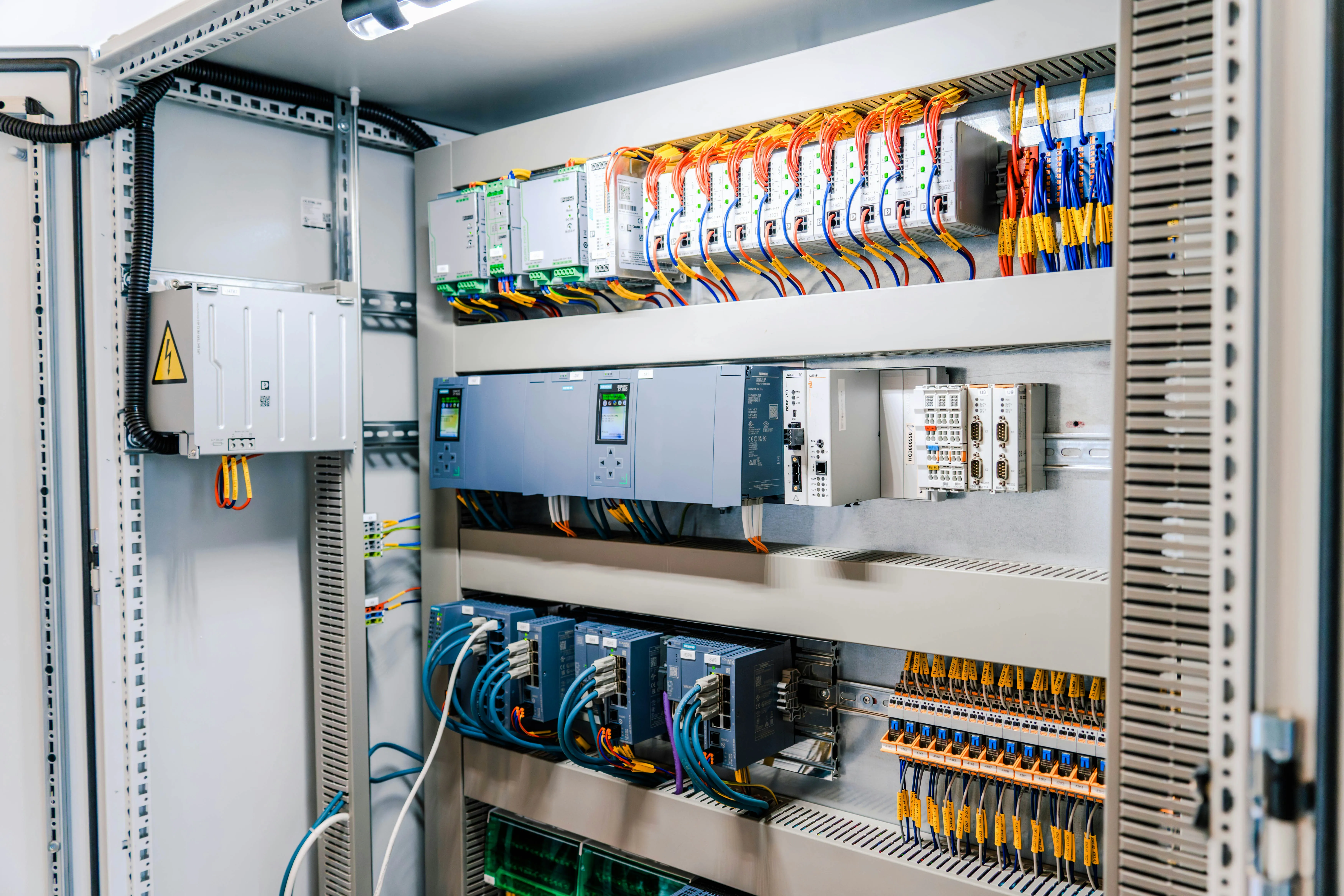
INSTA delivers end-to-end electrical engineering across six service lines, from installation and switchgear production to automation and green technologies. As projects grew more complex, the commercial process behind them was still running on spreadsheets, email threads and documents rebuilt by hand each time.
- Proposals, quotes and contracts now generate from a template library that pulls the project data already held on the record.
- Each engineering service has its own pipeline, so a switchgear order and a lighting project are no longer tracked through the same generic stages.
- Technical requirements are captured in structured fields at the point of enquiry, which is what makes automatic document generation possible at all.
- Contract handling follows one route rather than varying by whoever prepared it.
- Leadership reads forecasting and pipeline reports directly, instead of assembling a picture from separate spreadsheets.

About INSTA
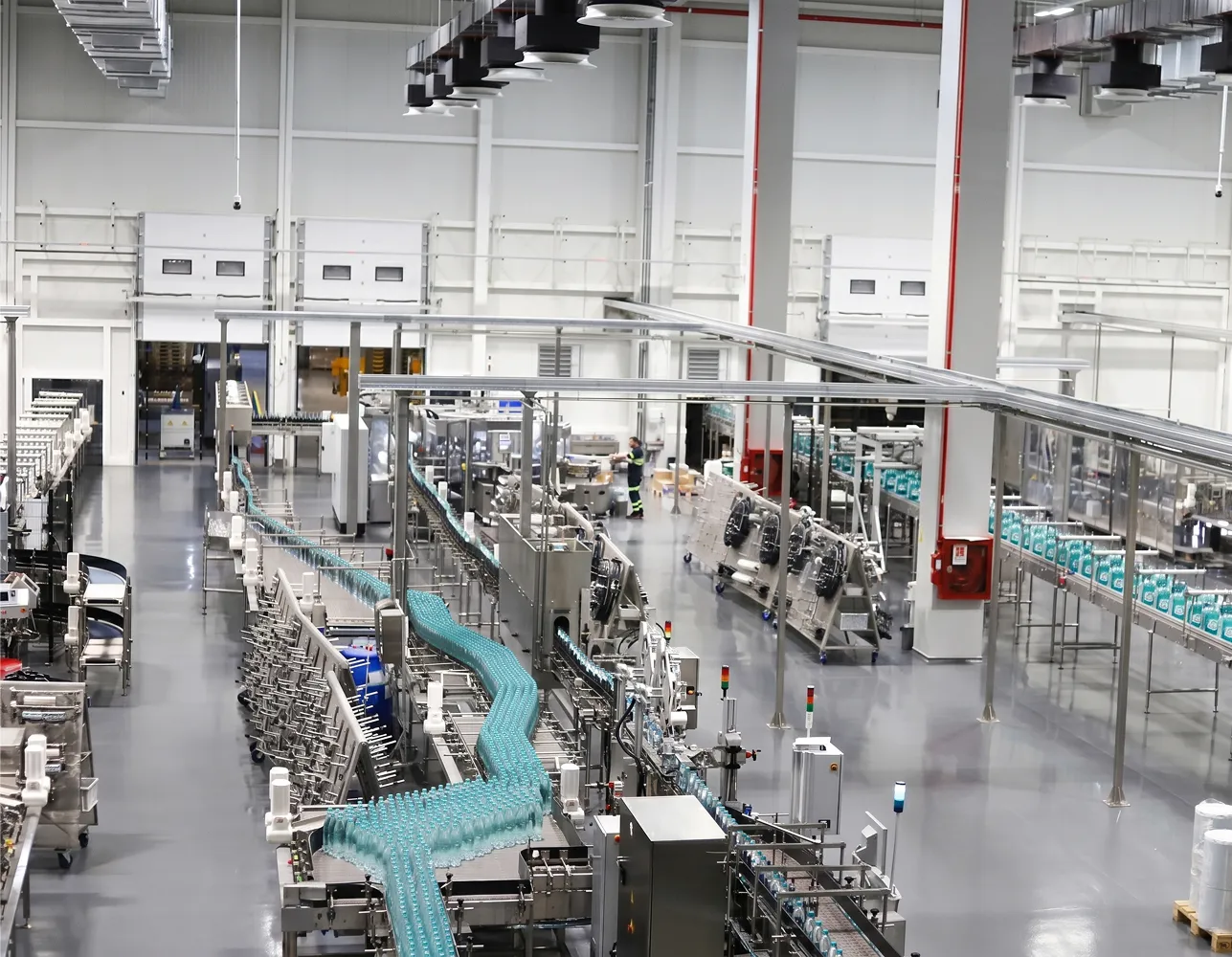
INSTA has been a leading player in Georgia's electrical engineering sector since 1998, offering end-to-end services: design, manufacturing of electrical distribution boards, and complete installation work.
The company has delivered more than 1,000 projects, holds partnerships with close to 40 international brands including Siemens, Eaton, Bosch and Phoenix Contact, and runs the largest logistics centre in Georgia with over 20,000 SKUs in stock. Its work covers electrical installation, power and control panel production, industrial automation, low voltage systems, lighting and green technologies, on sites ranging from Radisson Collection Tsinandali and Porsche Center Tbilisi to the Black Sea Arena.
In that business the proposal is the sale. Every project is priced from a technical specification, so the speed and accuracy of the document a client receives decides whether the conversation continues. Six service lines with different scopes and different stakeholders make that harder, not easier.
Growth made the paperwork the bottleneck
As INSTA took on larger and more complex engineering projects, the commercial process around them stayed manual. Three problems sat underneath that.

Information scattered across tools
Sales and project details lived in spreadsheets, email threads and standalone documents. Assembling the current state of a project meant asking several people and opening several files.

Every proposal built by hand
Quotes and contracts were rewritten from scratch each time, which made them slow to produce and inconsistent in wording. On a technical proposal, both of those cost deals.

No view of pipeline performance
Leadership could not see which projects were progressing or where they were stalling. Forecasting depended on individual recollection rather than on a shared record.
Mapped the workflow, then made the documents build themselves
Document automation only works when the data behind it is structured. That is why the pipeline and the fields came first, and the template library second.
Other systems we have built
Rebuilding the same proposal every time?
If your team writes quotes from a previous file and hunts through email threads for the specification, the delay is in the data rather than in the writing. We structure what a proposal needs, then let the document build itself from it.